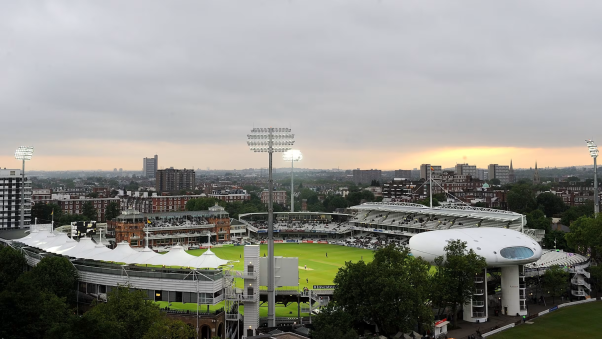
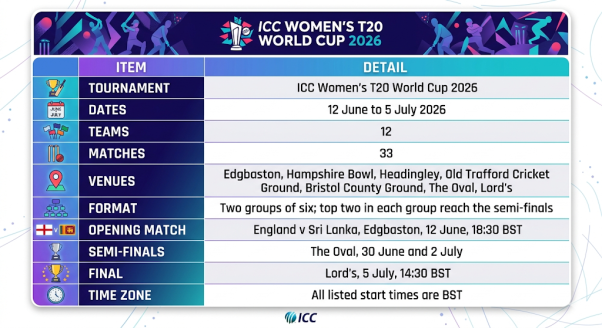
The women’s t20 world cup 2026 schedule is now confirmed, with 33 matches set to run from 12 June to 5 July 2026 across seven venues, ending with the final at Lord’s. This tournament hub brings together the full fixture list, groups, venues, key dates and the context that matters before the competition begins.
Tournament History And Why the Women’s T20 World Cup 2026 is Important
The 2026 edition carries real historical weight. England hosted the inaugural ICC Women’s T20 World Cup in 2009 and won the title at Lord’s, and this year’s tournament returns to the same country for the 10th edition of the competition. It also arrives with a broader field than before: 12 teams, the biggest line-up in the tournament’s history.
There is strong competitive history at the top of the event too. Australia enter as the tournament’s most successful side with six titles, while New Zealand are the defending champions after winning the 2024 final against South Africa. England, meanwhile, have home history in this competition and will open the tournament against Sri Lanka at Edgbaston.
The venue story matters as much as the team story. Lord’s will host the final on 5 July 2026, which gives the tournament a direct link not only to England’s 2009 title but also to the sold-out 2017 Women’s Cricket World Cup final at the same ground. For a schedule page, that context matters: these dates are not just placeholders in a calendar, but part of a tournament trying to stage its biggest edition yet.
The overview below is based on the official ICC and ECB tournament announcements.
Women’s T20 World Cup 2026 Groups
The women’s t20 world cup 2026 schedule is built around two groups of six, with the top two teams from each group advancing to the semi-finals. The line-up was finalised after Bangladesh, Ireland, Scotland and the Netherlands came through the global qualifier in Nepal, and the Netherlands will make their Women’s T20 World Cup debut.
|
Group A |
Group B |
|
Australia |
England |
|
India |
New Zealand |
|
Pakistan |
Sri Lanka |
|
South Africa |
West Indies |
|
Bangladesh |
Ireland |
|
Netherlands |
Scotland |
Group A has heavyweight balance straight away, with Australia, India, South Africa and Pakistan all capable of changing the shape of the table in a single result. Group B looks just as tight, but the schedule gives it a distinct home-nations edge through England, Ireland and Scotland, alongside the defending champions New Zealand and an experienced West Indies side.
Women’s T20 World Cup 2026 Schedule: Full Fixtures
The full fixture list below follows the official ECB schedule release published after qualification was completed. All start times are listed in BST.
Group Stage Fixtures
Fri 12 June
|
Match |
Venue |
Time (BST) |
|
England v Sri Lanka |
Edgbaston |
18:30 |
Sat 13 June
|
Match |
Venue |
Time (BST) |
|
Scotland v Ireland |
Old Trafford Cricket Ground |
10:30 |
|
Australia v South Africa |
Old Trafford Cricket Ground |
14:30 |
|
West Indies v New Zealand |
Hampshire Bowl |
18:30 |
Sun 14 June
|
Match |
Venue |
Time (BST) |
|
Bangladesh v Netherlands |
Edgbaston |
10:30 |
|
India v Pakistan |
Edgbaston |
14:30 |
Tue 16 June
|
Match |
Venue |
Time (BST) |
|
New Zealand v Sri Lanka |
Hampshire Bowl |
14:30 |
|
England v Ireland |
Hampshire Bowl |
18:30 |
Wed 17 June
|
Match |
Venue |
Time (BST) |
|
Australia v Bangladesh |
Headingley |
10:30 |
|
India v Netherlands |
Headingley |
14:30 |
|
South Africa v Pakistan |
Edgbaston |
18:30 |
Thu 18 June
|
Match |
Venue |
Time (BST) |
|
West Indies v Scotland |
Headingley |
18:30 |
Fri 19 June
|
Match |
Venue |
Time (BST) |
|
New Zealand v Ireland |
Hampshire Bowl |
18:30 |
Sat 20 June
|
Match |
Venue |
Time (BST) |
|
Australia v Netherlands |
Hampshire Bowl |
10:30 |
|
Pakistan v Bangladesh |
Hampshire Bowl |
14:30 |
|
England v Scotland |
Headingley |
18:30 |
Sun 21 June
|
Match |
Venue |
Time (BST) |
|
West Indies v Sri Lanka |
Bristol County Ground |
10:30 |
|
South Africa v India |
Old Trafford Cricket Ground |
14:30 |
Tue 23 June
|
Match |
Venue |
Time (BST) |
|
New Zealand v Scotland |
Bristol County Ground |
10:30 |
|
Sri Lanka v Ireland |
Bristol County Ground |
14:30 |
|
Australia v Pakistan |
Headingley |
18:30 |
Wed 24 June
|
Match |
Venue |
Time (BST) |
|
England v West Indies |
Lord’s |
18:30 |
Thu 25 June
|
Match |
Venue |
Time (BST) |
|
India v Bangladesh |
Old Trafford Cricket Ground |
14:30 |
|
South Africa v Netherlands |
Bristol County Ground |
18:30 |
Fri 26 June
|
Match |
Venue |
Time (BST) |
|
Sri Lanka v Scotland |
Old Trafford Cricket Ground |
18:30 |
Sat 27 June
|
Match |
Venue |
Time (BST) |
|
Pakistan v Netherlands |
Bristol County Ground |
10:30 |
|
West Indies v Ireland |
Bristol County Ground |
14:30 |
|
England v New Zealand |
The Oval |
18:30 |
Sun 28 June
|
Match |
Venue |
Time (BST) |
|
South Africa v Bangladesh |
Lord’s |
10:30 |
|
Australia v India |
Lord’s |
14:30 |
Knockout Fixtures
Tue 30 June
|
Match |
Venue |
Time (BST) |
|
Semi-Final 1 |
The Oval |
14:30 |
Thu 2 July
|
Match |
Venue |
Time (BST) |
|
Semi-Final 2 |
The Oval |
18:30 |
Sun 5 July
|
Match |
Venue |
Time (BST) |
|
Final |
Lord’s |
14:30 |
The Matches Most Likely To Shape The Tournament
The opener matters immediately. England v Sri Lanka at Edgbaston on 12 June gives the hosts a chance to set the tempo, but it also places instant pressure on Group B. In a six-team group with only two semi-final places, every early result changes the qualification arithmetic.
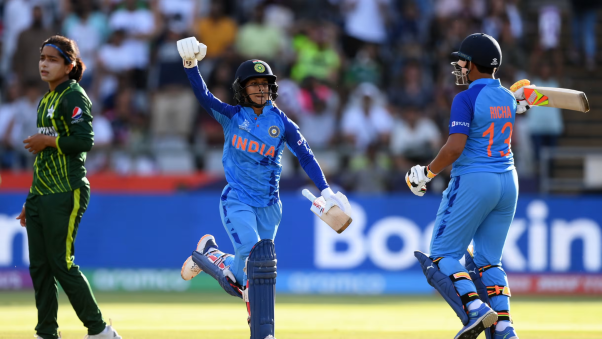
India v Pakistan on 14 June is one of the clearest marquee fixtures in the group stage. It lands early, at Edgbaston, before the Group A table has had time to settle, which means the winner could establish a significant net-run-rate and points advantage before the tougher middle stretch of the group.
The home-nations fixture between England and Scotland on 20 June deserves special attention. ICC and ECB material both flagged it as one of the standout matches of the tournament, and the governing bodies noted that it will be the first time the two sides have met at an ICC event on English soil. That makes it significant beyond the table alone.
At the sharp end of the group phase, England v New Zealand on 27 June and Australia v India on 28 June look particularly important. England face the defending champions in London just before the knockouts, while Australia and India meet at Lord’s in what could decide seeding, momentum and perhaps which side avoids a more difficult semi-final path.
There is also a cluster of fixtures that could define qualification for emerging or returning sides. Scotland v Ireland opens both teams’ tournaments on 13 June, the Netherlands begin against Bangladesh on 14 June, and Sri Lanka, Ireland and Scotland all have stretches where a single win could keep semi-final hopes alive late into the group stage. For teams outside the pre-tournament favourites, that is where this schedule gets interesting.
What The Format Means For The Schedule
The structure is simple, but it makes the fixture list more demanding than it first appears. Each team plays five group matches, and only the top two from each group progress to the semi-finals. There is no Super Six or second phase to recover from a poor opening week.
That format rewards depth and punishes inconsistency. A strong side can still be exposed by one bad batting performance or one off day with the ball because the margin for error is narrow. For readers using this page as a tournament hub, the key point is that several matches in the first 10 days will carry knockout implications earlier than they would in a longer-format event.
It also explains why venue allocation matters. The Oval hosts both semi-finals, which concentrates the knockout phase in London before the move to Lord’s for the final. Lord’s also gets two late group-stage blockbusters, England v West Indies and Australia v India, meaning the venue becomes a focal point before the final even arrives.
The Qualifiers And The New Stories In This Field
The final four places went to Bangladesh, Ireland, Scotland and the Netherlands, who advanced from the ICC Women’s T20 World Cup Qualifier in Nepal. Their arrival changes the feel of the tournament. Bangladesh return with established tournament experience, Ireland and Scotland add a sharp cross-border storyline in Group B, and the Netherlands bring a genuine debut narrative into Group A.
That debut matters. The Netherlands are not simply filling out the numbers; they are part of why the 2026 event feels different from earlier editions. Expansion to 12 teams widens the tactical landscape of the group stage, creates fresh match-ups and gives the schedule more variety than previous tournaments could offer.
For England, the host storyline is straightforward: begin well, handle the pressure of a home tournament and arrive at the closing weekend still alive. For New Zealand, the question is different: can the defending champions back up their 2024 breakthrough? And for Australia, every new edition starts with the same benchmark, because six titles make them the side everyone measures themselves against.