FIBA Women’s Basketball World Cup 2026 Draw: Groups, Schedule, Teams And Key Matchups In Berlin
Expanded 16-team format confirmed as USA, China, France and Australia headline group-stage fixtures for the tournament in Berlin from 4–13 September 2026.
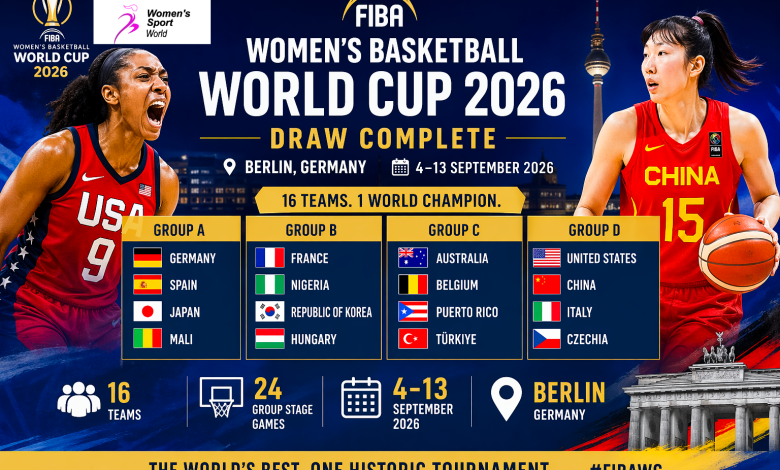
The FIBA Women’s Basketball World Cup 2026 will take place from 4 to 13 September 2026 in Berlin after the official draw on 21 April confirmed the groups for the first-ever 16-team edition. The expanded format marks a significant shift for the competition, with reigning champions the United States women’s national basketball team targeting a fifth consecutive title against a deeper and more competitive field.
The draw, conducted in Berlin and led by five-time Olympic champion Sue Bird, placed the 16 qualified nations into four groups of four. Hosts Germany were automatically assigned to Group A, while the United States, France and Australia were seeded among the top teams to ensure balance across the competition.
Historic Expansion Brings New Competitive Edge
The 2026 tournament will be the first Women’s World Cup to feature 16 teams, up from 12 in the previous edition in Sydney in 2022. According to Olympics.com, the expansion increases the number of group-stage games to 24, offering broader global representation and more opportunities for emerging nations to compete on the world stage.
FIBA confirmed that the revised format forms part of its long-term strategy to grow women’s basketball internationally. The governing body has increasingly prioritised global development pathways, reflected in the inclusion of teams from Africa, Asia, Europe and the Americas.
The group draw produced the following line-up:
- Group A: Germany, Spain, Japan, Mali
- Group B: France, Nigeria, Republic of Korea, Hungary
- Group C: Australia, Belgium, Puerto Rico, Türkiye
- Group D: United States, China, Italy, Czechia
Each group contains one team from each seeding pot, ensuring competitive balance across all four pools.
USA Target Historic Fifth Straight Title
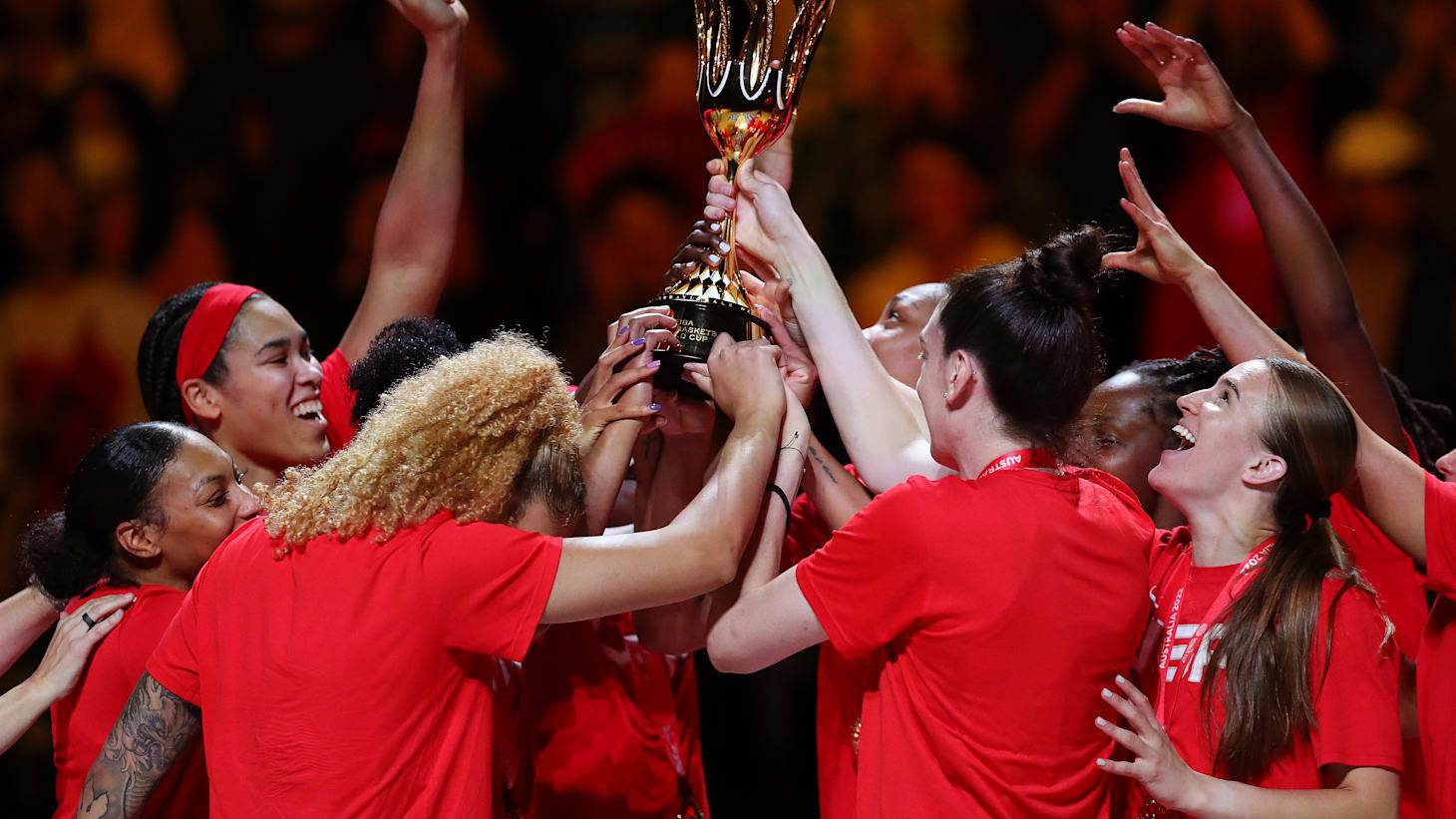
The United States enter the tournament as the dominant force in women’s international basketball, having won the last four World Cup titles. Their most recent triumph came in 2022, when they defeated the China women’s national basketball team in the final.
The Americans will attempt to extend that streak in Berlin, continuing a run that has defined the modern era of the competition. While final rosters have not yet been confirmed, FIBA reporting indicates that the team is expected to blend established stars with emerging talent from recent qualifying tournaments.
Their campaign begins with an immediate test. The United States will face China on the opening day, a rematch of the 2022 final that FIBA highlighted as one of the standout fixtures of the group stage.
Opening Day Headlines Rematch Of 2022 Final

The group-stage schedule, released by FIBA following the draw, sets up several high-profile encounters from the outset. Chief among them is the clash between the United States and China on 4 September.
According to FIBA, the matchup brings together two of the world’s top-ranked teams and renews a rivalry that has intensified in recent years. Both sides are expected to introduce younger players alongside experienced leaders, reflecting a transitional phase in international basketball.
The same day will also see hosts Germany women’s national basketball team open their campaign against the Spain women’s national basketball team in Group A. The fixture offers Germany an immediate test against one of Europe’s most consistent sides.
Host Nation Germany Faces Early Pressure
Germany’s position as host nation brings heightened expectations, particularly as they begin the tournament on opening night in Berlin. Their Group A schedule includes games against Spain, Japan and Mali, presenting a mix of European and international styles.
According to FIBA analysis, Germany’s matchup with Spain stands out due to recent history between the two teams, including their meeting at EuroBasket 2025. Spain won that encounter, but Germany are expected to challenge more strongly on home soil.
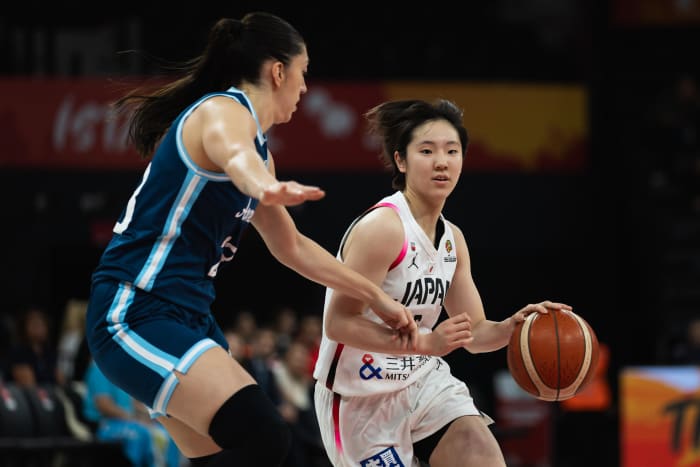
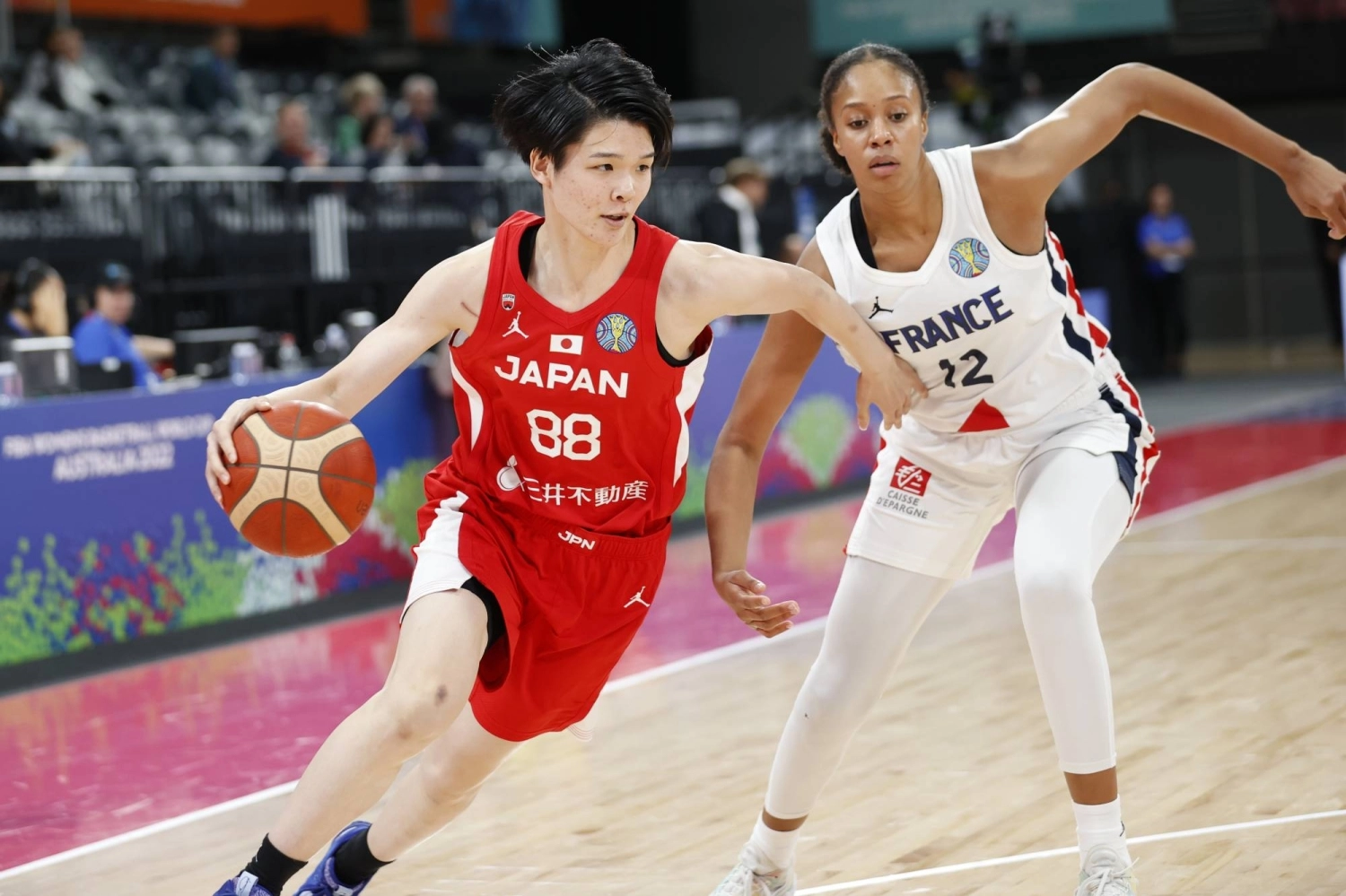
Germany will also face Japan on 5 September in a game that highlights contrasting approaches. FIBA noted that Japan’s fast-paced perimeter play will test Germany’s physical presence inside the paint, making it one of the more tactically intriguing contests of the group stage.
France, Nigeria And Belgium-Australia Among Key Fixtures
Beyond the headline opening games, several other group-stage matchups are expected to shape the tournament.
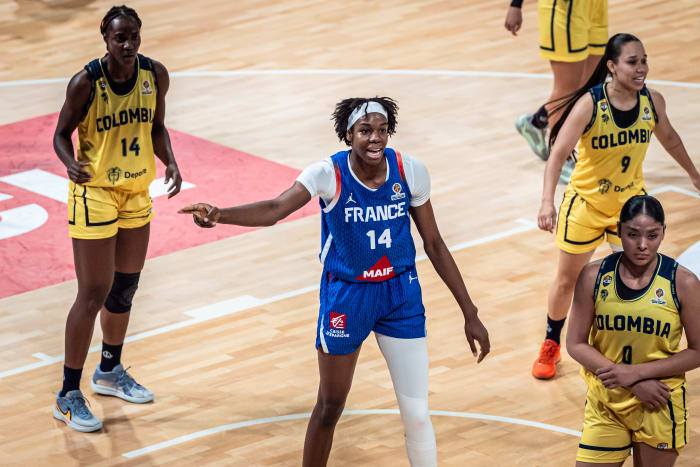
In Group B, France face Nigeria on 7 September in what FIBA described as a potentially decisive contest. France enter the competition as one of the top-ranked teams globally and recent Olympic finalists, while Nigeria arrive as African champions with a reputation for physical and disciplined play.
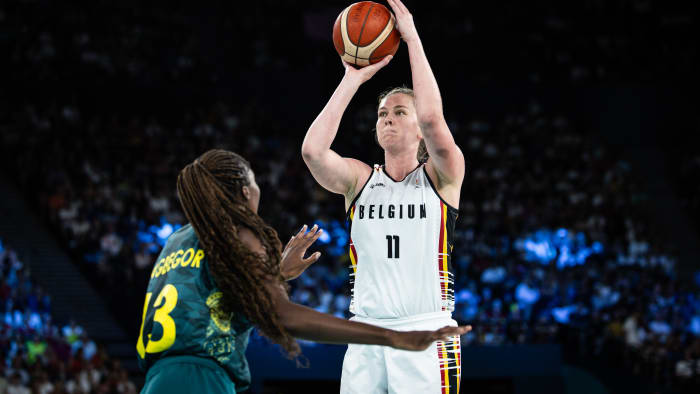
Group C features a high-profile meeting between the Belgium women’s national basketball team and the Australia women’s national basketball team. The two sides previously met in the bronze medal game at the Paris 2024 Olympic Games, and their rematch on 7 September could determine the group winner.
FIBA highlighted the depth of both squads, with Belgium building around experienced leaders and Australia entering the tournament after strong performances in qualifying competitions.
Another notable fixture sees Hungary take on the Republic of Korea in Group B. While neither team enters as a favourite, FIBA noted that both sides exceeded expectations in qualifying tournaments, making their head-to-head clash critical for progression hopes.
Draw Ceremony Led By Sue Bird

The draw ceremony itself was led by Sue Bird, one of the most decorated players in basketball history. Bird, who represented the United States in multiple World Cups and Olympic Games, oversaw the allocation of teams into their respective groups.
She was joined by German handball figure Stefan Kretzschmar and cultural performer Jilou during the event in Berlin.
The draw followed a structured seeding system. Germany, the United States, France and Australia were placed in the top pot, while China, Belgium, Spain and Nigeria formed the second tier. Japan, Puerto Rico, Italy and Korea were placed in pot three, with Türkiye, Czechia, Hungary and Mali completing the fourth pot.
The system ensured that each group contains one team from each pot, maintaining competitive balance throughout the tournament.
Tournament Schedule And Format
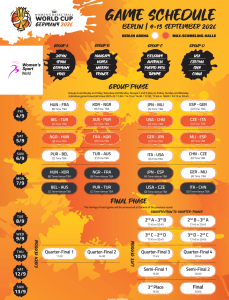
FIBA confirmed that the group stage will run from 4 to 7 September, with each team playing three matches. The top teams from each group will advance to the knockout rounds, which will determine the eventual champion.
Key opening fixtures on 4 September include:
- Spain vs Germany
- United States vs China
- Hungary vs France
- Japan vs Mali
The condensed schedule will test squad depth and consistency, with limited rest days between games. FIBA is expected to confirm detailed tip-off times and venue allocations within Berlin closer to the start of the tournament.
Global Growth And Future Tournaments
The 2026 edition represents a key milestone in the evolution of women’s basketball, reflecting both increased participation and growing global interest in the sport.
FIBA has already confirmed future hosts, with Japan set to stage the 2030 Women’s World Cup in Tokyo. According to The Japan Times, the tournament will run from 26 November to 8 December 2030 and will mark the first time Japan hosts the women’s event.
FIBA Secretary General Andreas Zagklis said the decision reflects the sport’s growing reach, stating that Japan is among “two basketball-loving nations” selected to host upcoming tournaments, according to The Japan Times.
The announcement places the 2026 tournament within a broader international calendar that includes future World Cups and Olympic cycles, reinforcing the importance of Berlin as a host city.
What Happens Next
With the draw completed and the schedule confirmed, national teams will now turn their focus to final preparations ahead of September. Squad selections, training camps and warm-up fixtures are expected to take place in the coming months as teams refine their strategies.
The expanded format ensures that more nations have a chance to compete at the highest level, while established powers such as the United States face renewed challenges from a stronger and more diverse field.
The tournament will tip off on 4 September in Berlin, where 16 teams will begin their pursuit of the world title, marking a new chapter in the history of the FIBA Women’s Basketball World Cup.