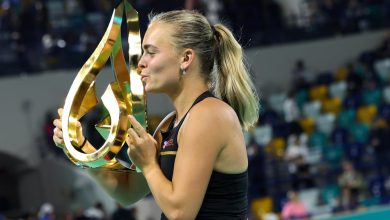
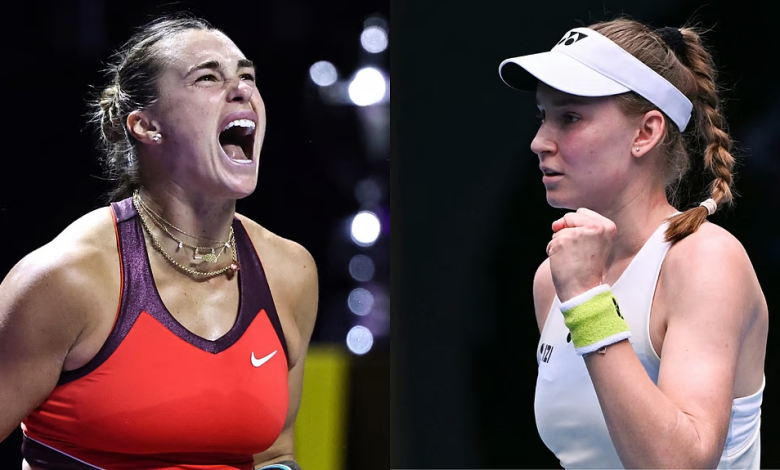
The match point arrived at 6-5 in the final set tiebreak at Indian Wells. Elena Rybakina served for the championship, one point from victory over Aryna Sabalenka.
Sabalenka saved the match point and captured her first Indian Wells title with a 3-6, 6-3, 7-6(6) victory that swung the head-to-head to 9-7 in her favour. Yet Rybakina still leads 4-2 in finals, including winning their two most recent Grand Slam championship matches. Sabalenka wins more often, but Rybakina wins bigger.
The Numbers: Breaking Down the Head-to-Head Record
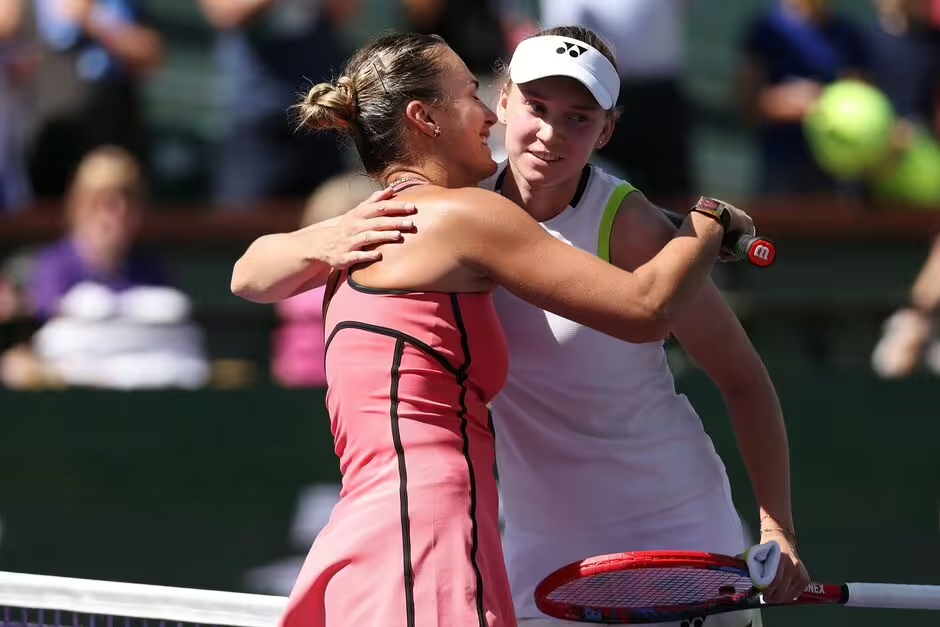
Through their Indian Wells 2026 final, Aryna Sabalenka and Elena Rybakina have contested 16 matches across all surfaces. Sabalenka holds a 9-7 advantage in overall meetings, as documented by WTA head-to-head records.
The most striking statistic: Rybakina leads 4-2 in finals despite trailing in total matches. When titles hang in the balance, the Kazakhstani raises her level to devastating effect. Six of their 16 meetings have been finals, the highest concentration of championship matches in any active WTA rivalry.
Grand Slam finals tell an even starker tale. Rybakina won both their major championship encounters: the 2023 Australian Open final (where Sabalenka prevailed in a three-set classic) and the 2026 Australian Open final (where Rybakina avenged the earlier defeat). These victories showcase Rybakina’s ability to peak when majors are at stake.
Surface breakdown reveals no clear advantage for either player. They have battled on hard courts, clay, and grass, with Sabalenka holding narrow edges on hard courts whilst Rybakina has dominated their grass-court meetings. The rivalry transcends surface specialisation.
Fire and Ice: Contrasting Playing Styles
Sabalenka embodies explosive power: thunderous groundstrokes, aggressive baseline positioning, and emotional intensity marked by her signature tiger roar. Rybakina represents ice-cold precision: flat, penetrating drives, metronomic consistency, and an almost robotic composure that never wavers.
Sabalenka’s Firepower
Sabalenka attacks from the first ball. Her forehand regularly exceeds 110 mph, generating winners from positions where most players can only defend. She stands inside the baseline, taking balls early and denying opponents time to set up.
The Belarusian’s improved serve adds another dimension. After overcoming the yips in 2022, Sabalenka now bombards opponents with heavy first serves that set up forehand winners. Against Rybakina, this serve becomes crucial for controlling rallies before the Kazakhstani can establish her rhythm.
Rybakina’s Precision
Rybakina counters Sabalenka’s power with surgical accuracy. Her flat groundstrokes travel low over the net, skidding through the court and rushing opponents. The technique creates awkward contact points that disrupt even Sabalenka’s mighty swing. When the rhythm battle begins, Rybakina often wins, as demonstrated in their Australian Open 2026 final.
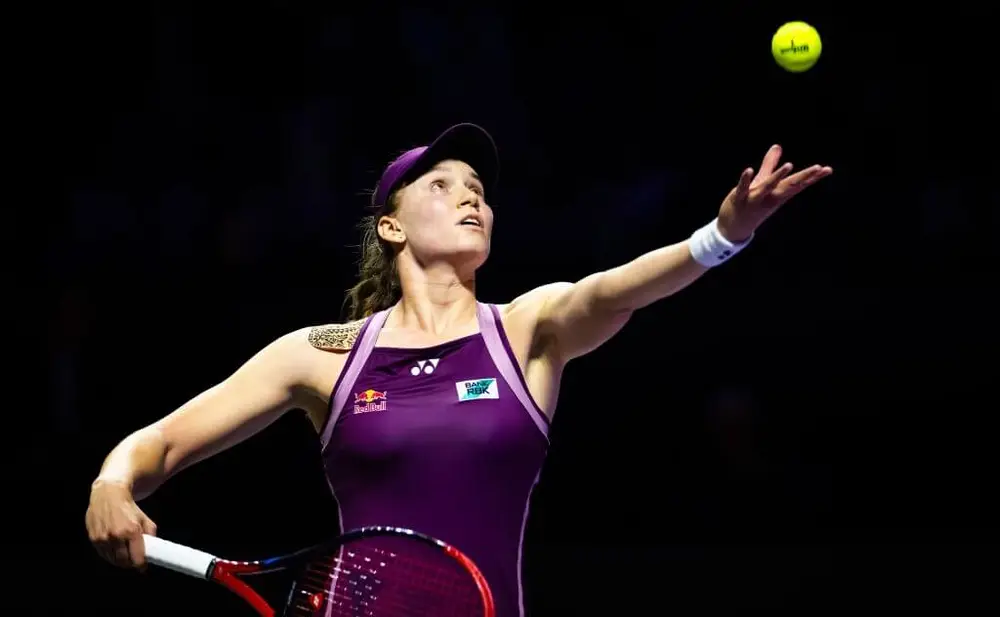
The serve represents Rybakina’s most potent weapon. She possesses one of the fastest serves in women’s tennis, regularly hitting 120+ mph bombs that neutralise Sabalenka’s return aggression. Free points on serve become crucial in tight matches where neither player gives an inch from the baseline.
Emotionally, the contrast proves equally stark. Sabalenka wears every emotion on court: frustration, joy, determination. Rybakina maintains an inscrutable expression regardless of score. This psychological dynamic creates fascinating chess matches where Sabalenka’s passion crashes against Rybakina’s unshakeable calm.
The Defining Battles: Key Matches That Shaped the Rivalry
Australian Open 2023: The First Grand Slam Final
Their first Grand Slam final meeting came at the 2023 Australian Open, where Sabalenka captured her maiden major title with a 4-6, 6-3, 6-4 victory. Rybakina dominated the opening set with precise baseline play, but Sabalenka adjusted her tactics and fought back to claim the championship.
Sabalenka saved multiple break points whilst serving for the championship, displaying the mental fortitude that would define her career. The victory exorcised demons from previous Grand Slam disappointments and established her as a legitimate major champion. For Rybakina, the loss marked another near-miss at becoming a multi-Slam winner.
Indian Wells 2023: Rybakina Strikes Back
Just weeks after Melbourne, Rybakina gained revenge at Indian Wells, defeating Sabalenka in straight sets in the final. The victory began a remarkable run of finals dominance that would see Rybakina win four consecutive championship encounters against the Belarusian, as reported by the WTA.
WTA Finals 2025: Rybakina’s Riyadh Masterclass
The 2025 WTA Finals in Riyadh produced another Rybakina finals triumph. She defeated world number one Sabalenka 6-3, 7-6(0) in a dominant performance that showcased her ability to rise for the biggest occasions. The tiebreak was particularly brutal: Rybakina won seven straight points to seal the championship, as documented by WTA Finals coverage.
The victory extended Rybakina’s finals winning streak against Sabalenka to four consecutive matches. Sabalenka’s inability to break through in championship encounters became a troubling pattern, raising questions about mental strength in the biggest moments.
Australian Open 2026: Rybakina Reclaims Melbourne
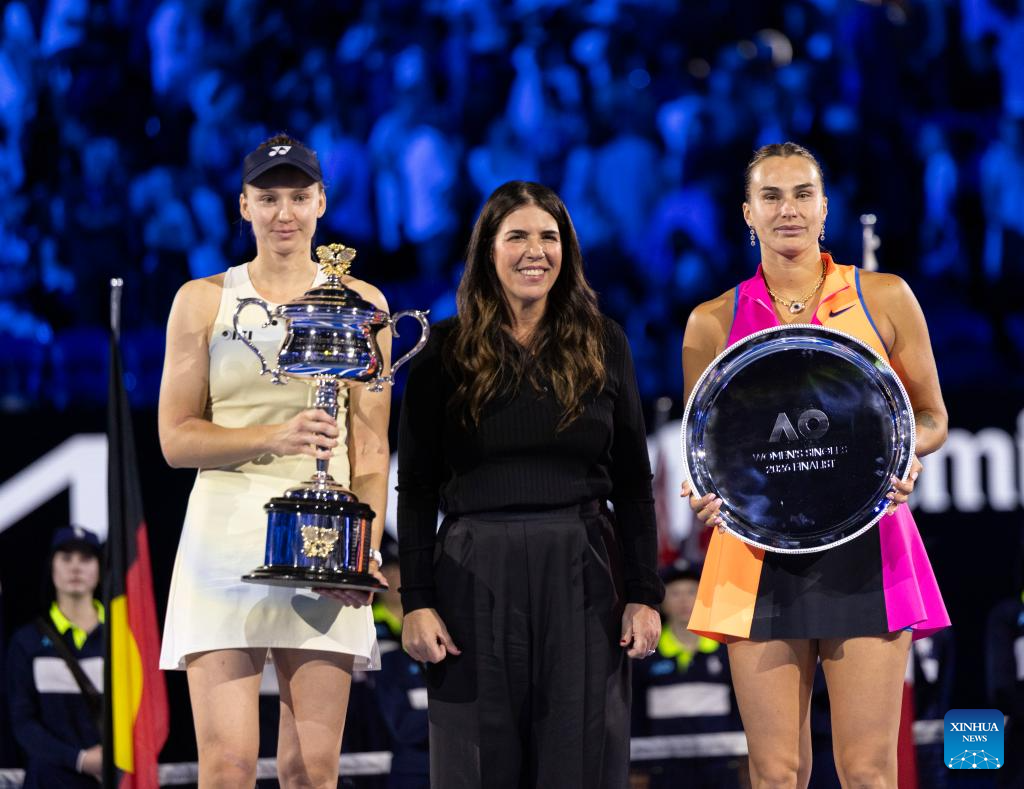
The 2026 Australian Open final delivered another epic encounter. Rybakina prevailed 6-4, 4-6, 6-4 in a match that featured multiple momentum swings and breathtaking shotmaking from both players. The victory avenged her 2023 Melbourne defeat and confirmed her ability to peak when majors are at stake.
Sabalenka fought desperately to claim a third consecutive Australian Open title, but Rybakina’s superior composure in the deciding set proved decisive. The Kazakhstani broke serve in the crucial tenth game, then served out the championship with her trademark ice-cold precision. The loss marked Sabalenka’s third defeat in four Grand Slam finals, highlighting the fine margins at tennis’s highest level.
Indian Wells 2026: Sabalenka’s Revenge
Just weeks after the Melbourne heartbreak, Sabalenka gained revenge in spectacular fashion. The Indian Wells final became an instant classic: Rybakina dominated the opening set, Sabalenka roared back to level, then the deciding set tiebreak produced edge-of-seat drama.
Serving at 6-5 in the breaker, Rybakina stood one point from victory. Sabalenka’s response defined her champion’s mentality: a crushing forehand return followed by an unreturnable serve. She converted her second championship point to capture her maiden Indian Wells title 3-6, 6-3, 7-6(6). The victory demonstrated that even against Rybakina’s finals excellence, Sabalenka could prevail in the clutch.
The Finals Paradox: Why Rybakina Dominates When It Matters Most
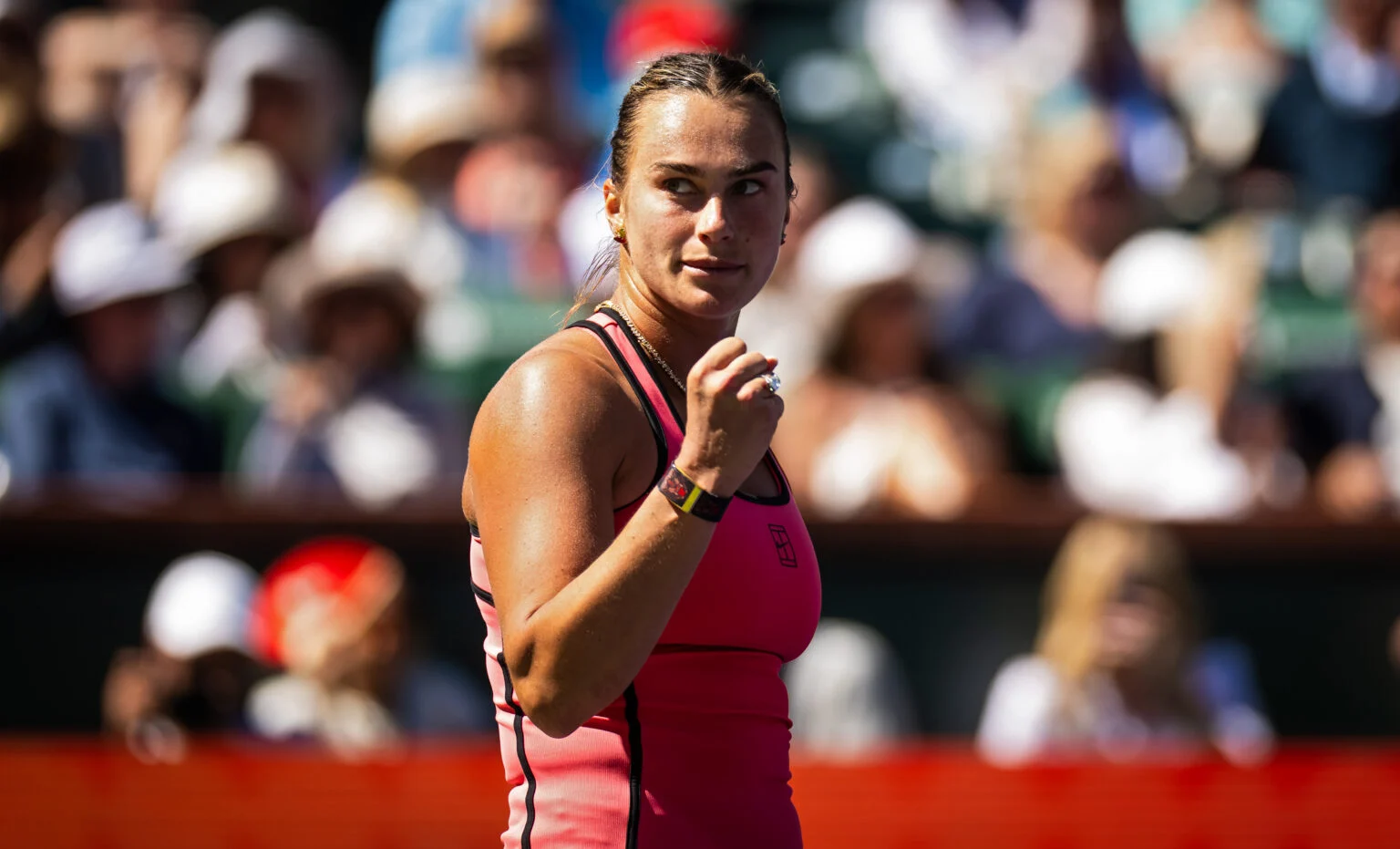
Rybakina’s 4-2 finals record against Sabalenka stems from specific advantages that manifest when titles hang in the balance. Her emotionless demeanour becomes a superpower in finals.
The Pressure Factor
Whilst Sabalenka’s passion fuels her through tournaments, it can occasionally betray her in championship matches when tension peaks. Rybakina’s ability to treat finals like any other match removes psychological pressure that affects most players.
“I always try to play the same, doesn’t matter if it’s the first round or the final,” Rybakina told ESPN after the Australian Open victory. This mental approach allows her to execute her game plan without the emotional swings that sometimes disrupt Sabalenka’s rhythm in crucial moments.
Tactical Adjustments
Rybakina and her team make subtle tactical adjustments for finals that exploit Sabalenka’s aggressive positioning. By varying serve placement and using more body serves, Rybakina disrupts the Belarusian’s timing on returns. The strategy forces Sabalenka into defensive positions from which her power becomes less effective.
In rallies, Rybakina targets Sabalenka’s backhand with flat, heavy balls that stay low. This pattern draws errors or weak replies that Rybakina punishes with forehand winners. The tactical discipline required to execute this plan across best-of-three sets demonstrates Rybakina’s evolution as a complete champion.
The Serve Advantage
Finals often come down to serve holds, and Rybakina’s superior serving statistics in championship matches prove decisive. Her first-serve percentage consistently exceeds 65% in finals against Sabalenka, compared to around 60% for the Belarusian. Those five percentage points translate to crucial free points when matches hang in the balance.
The Mental Battle: Psychological Warfare on Court
Sabalenka’s emotional intensity serves dual purposes. The tiger roars and visible passion intimidate some opponents who wilt under the aggressive energy. Yet this same intensity can work against her when matches tighten, as rising frustration occasionally disrupts her rhythm. Against the unflappable Rybakina, emotional displays rarely generate the desired intimidation effect.
Rybakina’s stoicism creates different psychological pressure. Opponents receive zero feedback about whether their tactics are working or if Rybakina feels under pressure. This emotional void can be maddening for players who rely on reading body language to gauge momentum. Sabalenka occasionally appears frustrated by Rybakina’s refusal to show any emotion regardless of score.
The confidence factor shifts based on recent results. After the Australian Open loss, Sabalenka admitted doubting herself heading into Indian Wells. The subsequent victory restored her belief that she could defeat Rybakina in finals. These mental cycles prove as important as physical conditioning for maintaining elite performance.
What Makes This Rivalry Special
The Sabalenka-Rybakina rivalry defines women’s tennis in the post-Serena Williams era. With Iga Świątek facing her own challenges and the next generation still developing, these two have established themselves as the sport’s premier rivalry, as noted by BBC Sport.
The stylistic contrast creates compelling viewing. Power versus precision, emotion versus composure, aggressive baseline play versus counter-punching excellence. Every encounter showcases different tactical approaches to winning tennis matches, providing masterclasses for aspiring players and entertainment for casual fans.
Their finals meetings consistently deliver drama. Six finals from sixteen total matches represents an extraordinary concentration of high-stakes encounters. Neither player dominates completely, with Sabalenka’s overall edge balanced by Rybakina’s finals superiority. This equilibrium creates genuine uncertainty about outcomes.
Sabalenka represents Belarus (competing as neutral), whilst Rybakina plays for Kazakhstan after switching from Russia. Their success brings tennis to Eastern European and Central Asian markets that crave champions to support.
Future Outlook: Where the Rivalry Goes From Here
At 27 and 25 respectively, Sabalenka and Rybakina should dominate women’s tennis for years to come. Both players are in their physical prime when power meets mental maturity, suggesting more classic encounters lie ahead.
Sabalenka hunts the career Grand Slam, needing Wimbledon and Roland Garros titles. Rybakina aims to add more majors to her collection and potentially claim world number one. Every final between them impacts these career-defining goals, raising stakes beyond individual tournament victories.
Wimbledon 2026 looms as their next potential showdown. The grass courts favour both big servers, though Rybakina holds a slight edge given her 2022 championship. A final at the All England Club would add another chapter to their story, particularly if Sabalenka could capture the title that has eluded her throughout her career.
Tactical evolution will determine future outcomes. Both players continue refining their games, searching for advantages in an evenly-matched rivalry. Sabalenka’s improved net play and Rybakina’s enhanced court coverage suggest both are addressing weaknesses rather than resting on established strengths.

The Rivalry That Defines Modern Women’s Tennis
Sixteen matches. Six finals. Countless unforgettable moments. The Sabalenka-Rybakina rivalry has delivered everything tennis fans crave: contrasting styles, dramatic finishes, and genuine competitive balance.
The paradox at the rivalry’s heart creates narrative tension that extends beyond individual tournaments. Every time they meet, broader questions about mental strength, tactical evolution, and championship pedigree hang in the balance.
More Grand Slam finals beckon, more three-set thrillers await, more match points will be saved. For tennis fans, the prospect of watching these two magnificent champions battle for supremacy represents one of the sport’s great privileges.
The next chapter arrives soon. Whether at Wimbledon, the US Open, or another showdown at Melbourne Park, Sabalenka and Rybakina will meet again. When they do, expect fireworks, expect drama, and expect the kind of elite tennis that reminds us why we love this sport.