WashU Women’s Tennis: From First-Year to National Champion in One Season
Imagine stepping onto a university tennis court as a first-year student, then. nine months later, you’re holding a national championship trophy. That’s exactly what happened to Caitlin Bui and her teammates at Washington University in St. Louis (WashU) in 2025.
If you’re a talented tennis player wondering what’s possible when you combine academic excellence with elite athletics, WashU women’s tennis might be the perfect example. Here’s everything you need to know about one of the top Division III tennis programmes in America.
The Historic 2025 Championship Season
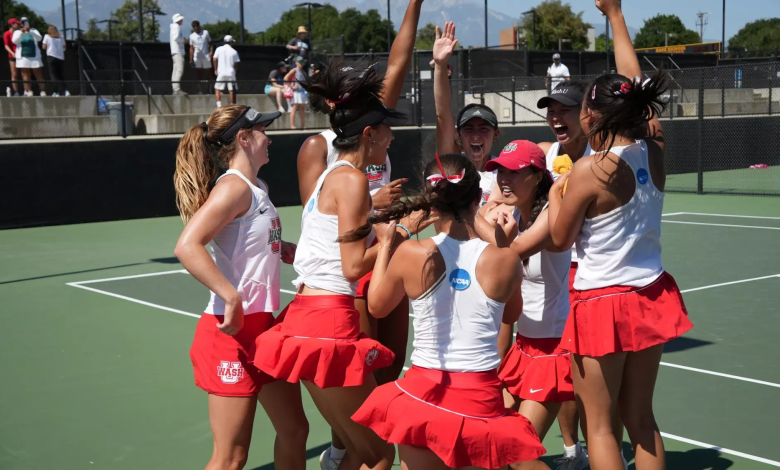
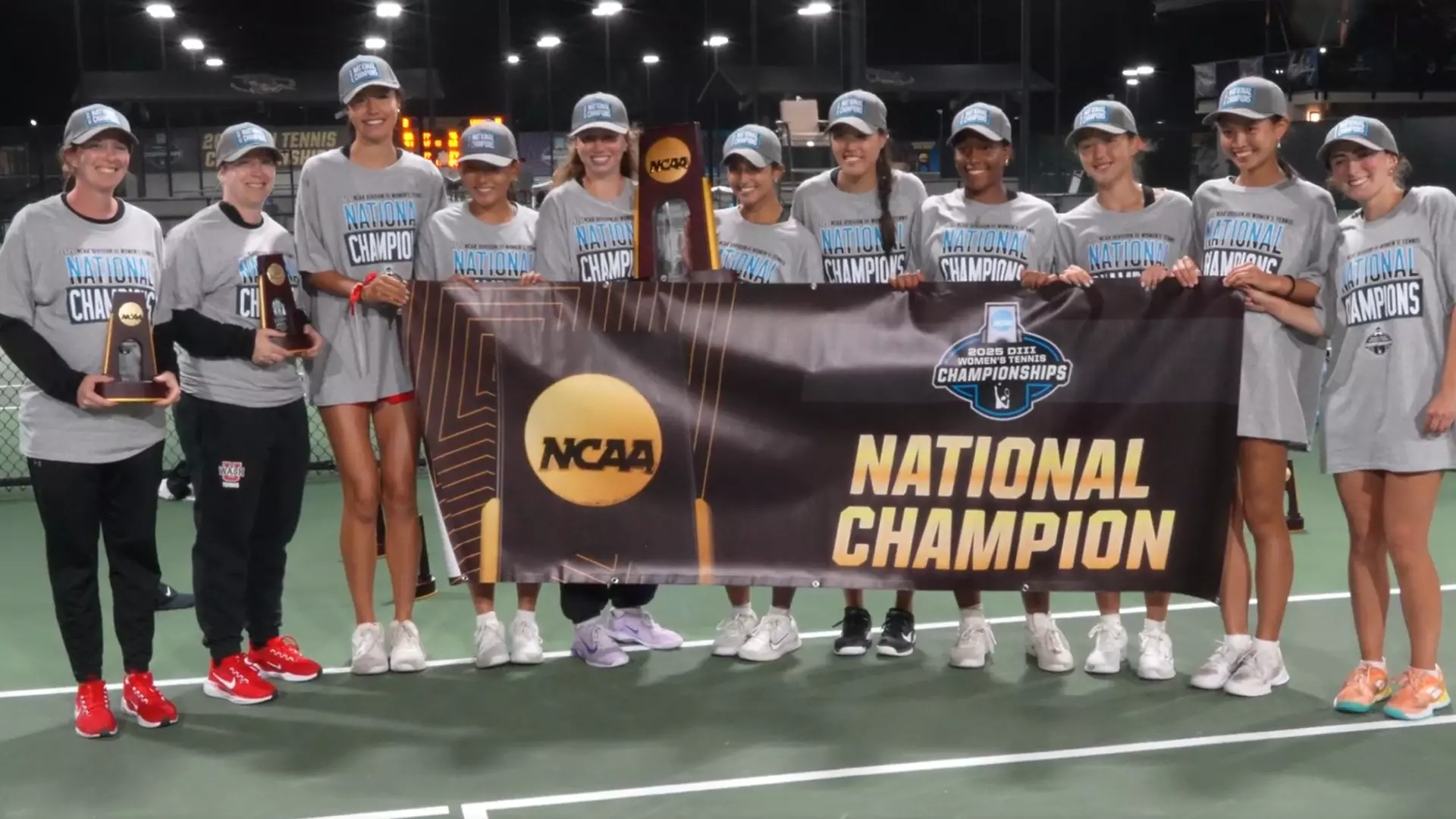
On 23 May 2025, WashU women’s tennis achieved something that had never happened in the programme’s history. They won the NCAA Division III national championship, defeating Pomona-Pitzer 4-3 in a nail-biting final match played in Claremont, California.
The victory came down to the very last court. Nina Moravek (then a junior) faced Pomona-Pitzer’s Leticia Bazua Vazquez in the decisive match. After losing the first set 5-7, Moravek fought back to win 6-1, 6-2 in the final two sets. When her winning shot landed, the entire WashU women’s tennis team rushed the court in celebration.
What made this championship even more remarkable was WashU’s path to the title. The Bears entered the NCAA tournament ranked No. 10 in the country. Most people didn’t expect them to go far. But they proved everyone wrong by defeating three consecutive top-10 opponents, including the defending national champion University of Chicago in the Elite Eight.
2026: Defending Champions Start Strong
Fast forward to the 2026 season, and WashU women’s tennis now carries a target on their backs. They opened the spring season ranked No. 1 in the nation—the first time in programme history.
So far, the Bears are living up to the hype. As of 21 February 2026, WashU is undefeated with a perfect 4-0 record. They’ve dominated every opponent:
- 7-0 sweep of Kalamazoo (7 February)
- 7-0 sweep of No. 16 Kenyon (15 February)
- 7-0 sweep of DePauw (15 February)
- 7-0 sweep of UW-Whitewater (21 February)
That’s 28 straight points without dropping a single match. The Bears aren’t just winning, they’re making it look easy.
The Stars Leading the Way
Eleanor Archer and Caitlin Bui: A Championship Partnership
The backbone of WashU’s success is the doubles team of Eleanor Archer and Caitlin Bui. Currently ranked No. 7 in Division III doubles, this pair has been nearly unstoppable.
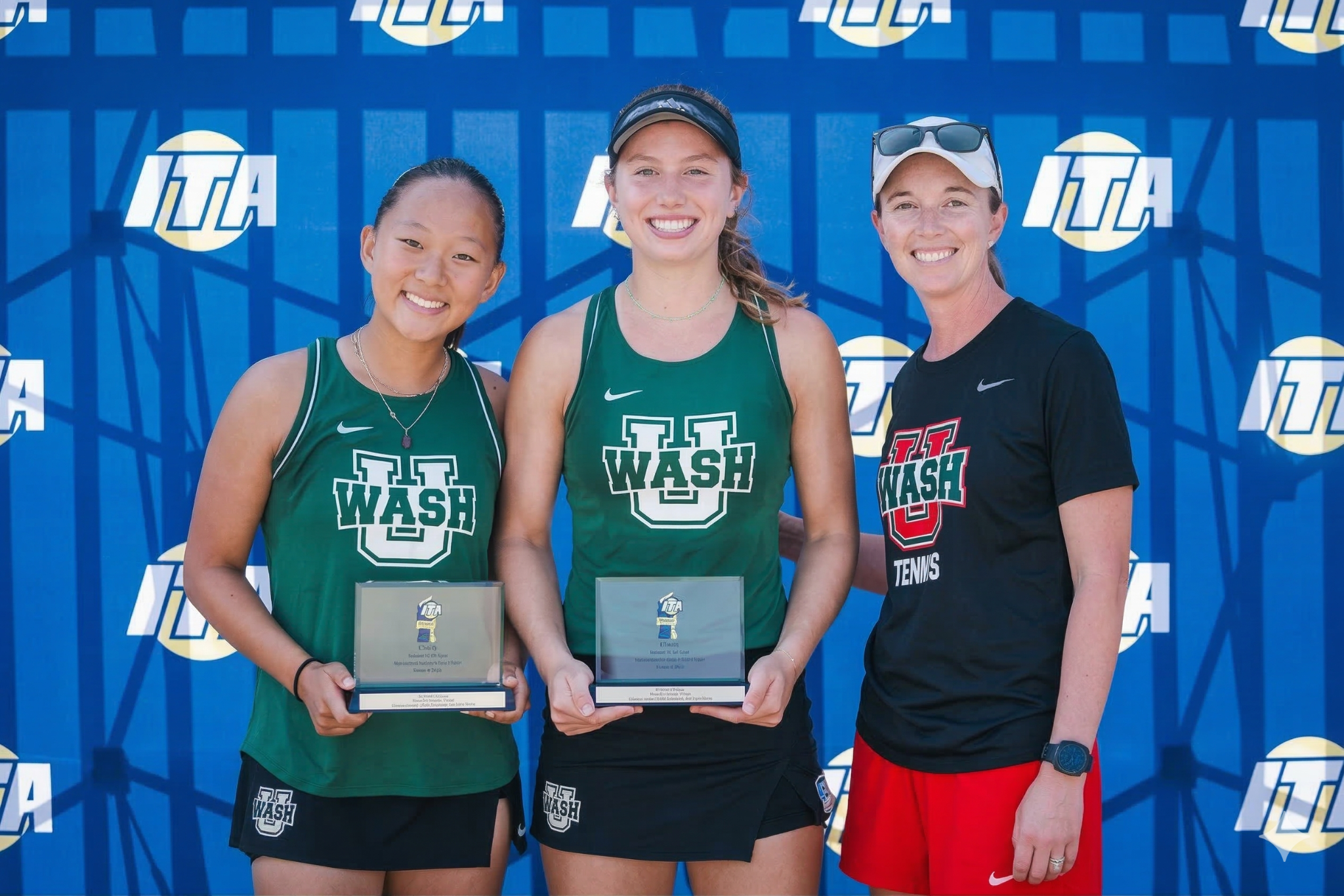
In October 2024, Archer and Bui won the ITA Cup doubles championship, the first national doubles title in WashU programme history. They swept through the tournament without dropping a single set, defeating Emory’s top team 7-6 (7), 6-3 in the final.
Caitlin Bui, now a sophomore, arrived at WashU in autumn 2024 and immediately made an impact. During her first-year championship season, she earned both ITA National Rookie of the Year and UAA Rookie of the Year honours. She posted a 20-6 singles record and finished ranked No. 17 nationally. Her doubles partnership with Archer produced a remarkable 28-5 overall record, with a 20-3 mark in dual matches.
Eleanor Archer, now a junior, was a sophomore during the championship season. She earned All-UAA First Team recognition at both No. 1 singles and No. 1 doubles during that historic run. Her consistency at the top of the line-up gives WashU women’s tennis confidence in every match.
The Supporting Cast That Wins Championships
Championships aren’t won by two players alone. WashU’s depth across the line-up is what separates them from other top programmes.
Eliana Hanna, now a senior, was a junior during the championship season. She plays at the top of the singles line-up and teams with Ally Lin (now a sophomore, first-year during the championship) to form the No. 11-ranked doubles pair in the nation. Both earned All-UAA honours during the championship season.
Nina Moravek, now a senior, clinched the 2025 national championship with her thrilling comeback victory. She provides crucial experience and composure when matches get tight.
Lily Brecknock (first-year) and Sam Slowik (now a sophomore, first-year during the championship) round out the doubles line-up as the No. 18-ranked pair, giving WashU three nationally-ranked doubles teams, an incredible advantage in team competition.
Coach Paige Madara: From Player to Champion
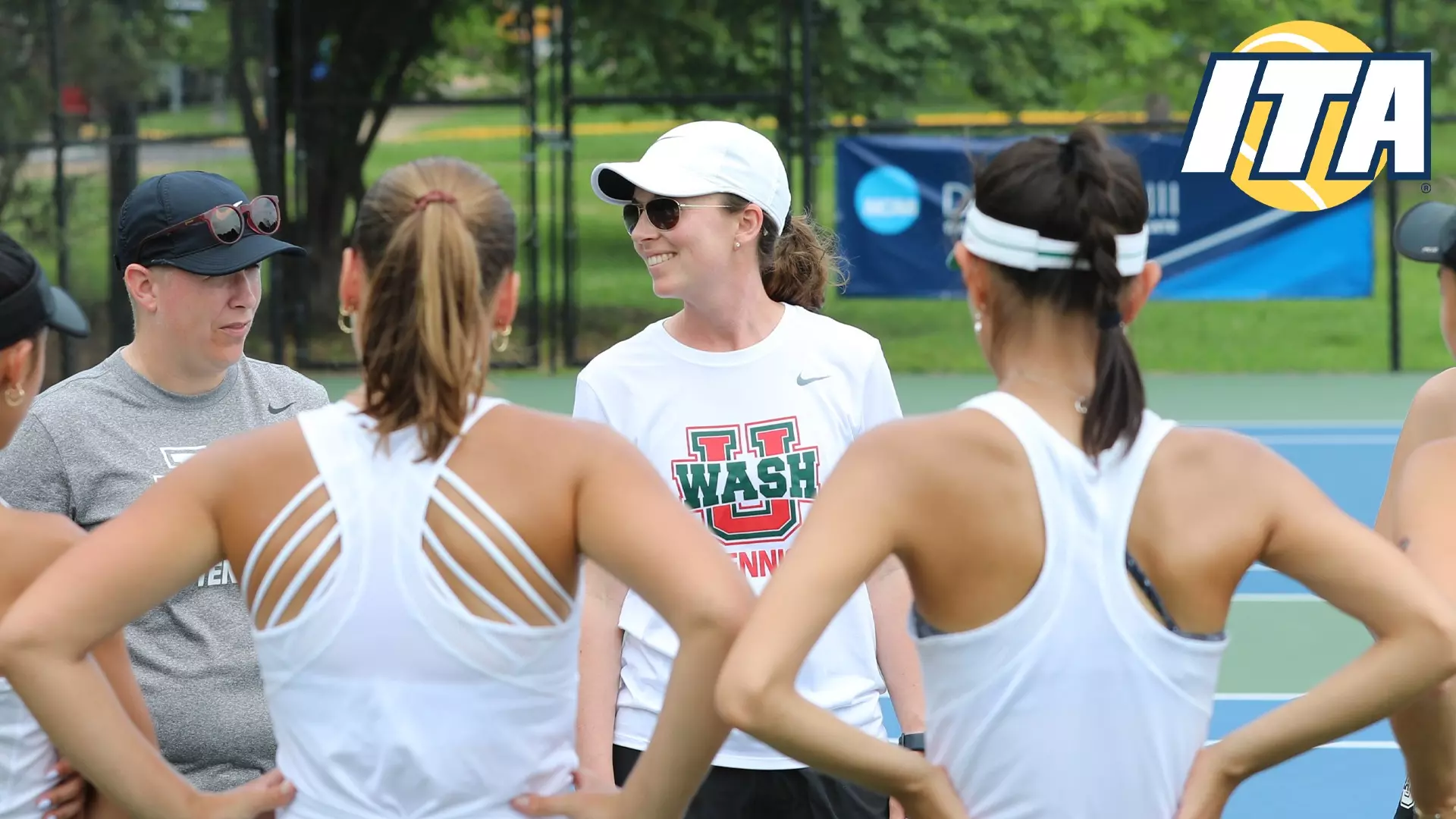
One of the most inspiring parts of WashU women’s tennis is head coach Paige Madara’s journey. She’s living proof that you can return to the place where you started and achieve even greater success.
Madara played for WashU from 2009-2013. She wasn’t a star recruit—she describes herself as “one of the worst players” on the team during her first year. But through hard work and dedication, she became a team captain and helped WashU reach the NCAA quarterfinals in 2013.
After graduating with degrees in psychology and social work from WashU, Madara coached at other universities before returning to her alma mater in October 2020 with one clear goal: win the programme’s first national championship.
It took five years, but she did it. In 2024, Madara was named ITA National Coach of the Year, one of the highest honours in college tennis coaching. Then in 2025, she delivered the national title she’d promised.
“My goal was to come back here and to win a national tennis championship,” Madara said. “I didn’t know when that was going to happen, but I really believed in WashU.”
What Makes WashU Different: The Division III Model
If you’re researching WashU women’s tennis, you need to understand what Division III means and why it matters.
Unlike Division I programmes, Division III schools don’t offer athletic scholarships. Every student receives financial aid based on academic merit and financial need, not athletic ability. This creates a very different environment from big-time college sports.
At WashU, you’re a student first and an athlete second. The academic workload is demanding, WashU is one of the top research universities in America. Players balance rigorous courses with daily training, travel, and competition.
“There are no athletic scholarships in Division III, so people play their sport because they love it,” Coach Madara explains. “They love being part of a team.”
This model attracts a specific type of player: someone who wants both academic excellence and competitive tennis. If you’re looking for a professional tennis career, Division I might be better. But if you want a world-class education whilst competing at the highest level of college tennis, Division III, and WashU specifically, offers something special.
The Competition: UAA and NCAA Championships
WashU women’s tennis competes in the University Athletic Association (UAA), a conference that brings together eight academically selective private universities. UAA competition is fierce, with teams like the University of Chicago, Emory, and Carnegie Mellon consistently ranked in the national top 25.
The season builds towards the NCAA Division III Championships in May, where 48 teams compete for the national title. WashU’s 2025 championship was the 27th NCAA title in WashU Athletics history across all sports.
How to Follow WashU Women’s Tennis
Interested in following the Bears’ 2026 championship defence? Here’s how to stay connected:
- Official schedule and results: WashU Bears women’s tennis page
- Instagram: @washuwomenstennis
- Twitter/X: @WashUwTennis
- NCAA Division III tennis: NCAA.com
- ITA College Tennis: WeAreCollegeTennis.com
What’s Next for WashU Women’s Tennis
The Bears face their biggest test of the 2026 season starting 27 February at the ITA Division III National Women’s Team Indoor Championship. As the No. 1 seed, they’ll face No. 26 Sewanee in the opening round, with potential matchups against No. 4 Emory or No. 5 Claremont-Mudd-Scripps in the semifinals.
Can WashU women’s tennis defend their title and cement their place as a Division III dynasty? With a 4-0 start, three nationally-ranked doubles teams, and the confidence that comes from already winning it all, they’re certainly in position to try.
For prospective student-athletes watching from afar, WashU women’s tennis represents something powerful: proof that you don’t have to choose between academic excellence and athletic achievement. You can have both.