Women’s Six Nations 2026: Fixtures, Teams, Key Dates And Can Anyone Stop England’s Title Run?
England chase an eighth straight title as France, Ireland and a rising field aim to close the gap in what could be the most competitive Women’s Six Nations yet.

The Women’s Six Nations 2026 arrives at a defining moment for women’s rugby. Record crowds, rising global audiences and increasing professional investment have pushed the competition into the mainstream. Yet one question still dominates the conversation: can anyone stop England?
The tournament runs from 11 April to 17 May 2026, featuring England, France, Ireland, Scotland, Wales and Italy. England enter as overwhelming favourites, chasing an eighth consecutive title and a fifth straight Grand Slam, but the gap is narrowing and the stakes have never been higher.
What Is The Women’s Six Nations 2026?
The Women’s Six Nations is Europe’s premier annual international rugby union competition. Each team plays five matches, facing every other nation once. Teams earn:
- 4 points for a win
- 2 points for a draw
- Bonus points for scoring four tries or losing by seven points or fewer
- 3 extra points for a Grand Slam (winning all five matches)
According to Six Nations Rugby, this format rewards attacking play and keeps the table competitive across all rounds.
England dominated the modern era of the tournament. They have won 21 titles, including the last seven, and secured 19 Grand Slams a level of consistency unmatched in the women’s game.
Fixtures And Key Dates
The 2026 championship opens with a blockbuster weekend. England host Ireland at the Allianz Stadium in London, with ticket sales already exceeding 75,000, which will set a new Women’s Six Nations attendance record.
Key Fixtures:
- 11 April – England v Ireland; France v Italy; Wales v Scotland
- 18 April – Scotland v England (Murrayfield debut for women’s Six Nations)
- 25 April – England v Wales; France v Ireland
- 9 May – Italy v England; Scotland v France
- 17 May – France v England (potential title decider in Bordeaux)
The final match between England and France is widely expected to decide the championship.
England: The Standard Everyone Must Chase

England remain the dominant force in women’s rugby. They have not lost a Six Nations match since 2018 and arrive on a 33-game winning streak across all competitions.
Their dominance stems from early investment. The Rugby Football Union introduced full-time contracts in 2019, allowing England to build depth and consistency ahead of rivals.
Head coach John Mitchell insists the team is still evolving.
“We are still an unfinished team,” Mitchell said. “There are areas we want to improve, even when we win.”
England’s squad depth remains their greatest strength. Despite missing key players, including regular captain Zoe Stratford, they can call on world-class replacements. Meg Jones takes over the captaincy, while players like Ellie Kildunne continue to drive attacking play.
Can Anyone Stop England?

England’s dominance looks formidable, but cracks have appeared.
Opponents have identified two key weaknesses:
- Discipline under pressure
- Slower ball at the breakdown
France and Ireland both exposed these issues during the 2025 campaign. England conceded penalties and struggled when forced into slower attacking phases.
France pushed England to the limit in the 2025 decider, losing 43–42 in one of the greatest matches in the competition’s history. Ireland also competed strongly in the first half of their meeting before fading late.
To beat England, teams must:
- Maintain intensity for the full 80 minutes
- Win the breakdown battle
- Convert scoring chances efficiently
Few teams have managed all three.
France: Closing The Final Gap
France remain England’s closest challengers. They have finished second in every Women’s Six Nations since 2018 but continue to fall just short.
Captain Manaé Feleu has highlighted the issue clearly:
“We need a full 80-minute performance. It’s about consistency and attention to detail.”
France have appointed a new head coach ahead of 2026, aiming to bring fresh tactical ideas. Their physicality, set-piece strength and attacking flair make them dangerous, especially with home advantage in the final round.
If France can eliminate lapses in concentration, they have the tools to challenge England.
Ireland: A Team On The Rise
Ireland enter the 2026 tournament with growing confidence. Under head coach Scott Bemand, they have developed a younger, more dynamic squad.
Captain Erin King believes her side can compete with the best:
“It will be a challenge, but we’ve shown we can match top teams before.”
Ireland’s progress is backed by structural investment. The Irish Rugby Football Union has introduced 35 centralised contracts, strengthening both sevens and XVs programmes.
Players like Aoife Wafer, the 2025 player of the tournament, and Béibhinn Parsons give Ireland genuine match-winning potential. Their early clash with England will be a key test of their development.
Scotland, Italy And Wales: Closing The Gap
Scotland
Scotland showed promise during the 2025 World Cup cycle, reaching the quarter-finals. They now enter a new phase under head coach Sione Fukofuka.
Hosting England at Murrayfield marks a milestone moment. More than 25,000 tickets have been sold, setting a new record for a standalone women’s sporting event in Scotland.
Italy
Italy continue to develop through increased professionalism. They finished fourth in 2025, just one point behind Ireland, and have a growing number of players competing in Premiership Women’s Rugby.
Consistency remains their challenge, but they can disrupt the middle of the table.
Wales
Wales are rebuilding after finishing bottom of the 2025 championship. New head coach Sean Lynn is working to stabilise the squad and improve performances.
Results may take time, but structural changes could pay off in future tournaments.
Why Women’s Six Nations 2026 Could Be The Biggest Yet
The growth of women’s rugby provides the backdrop to this year’s tournament.
Research commissioned by BBC Sport shows the UK fanbase has grown from 7.94 million to 13.21 million. The 2025 Rugby World Cup final attracted 81,885 spectators, a record for a women’s rugby match.
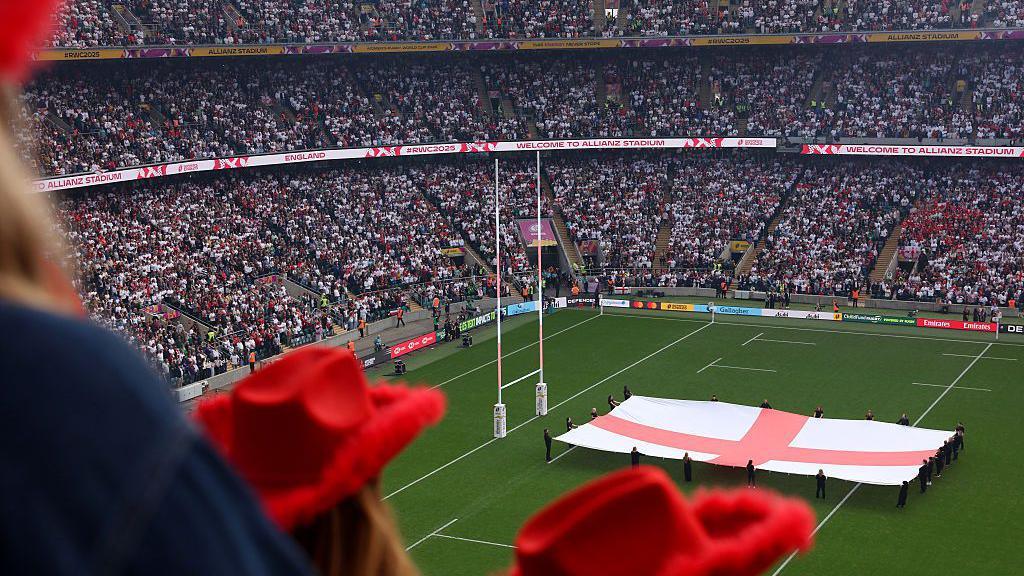
Television audiences are also rising. The same final reached a peak UK audience of 5.8 million, making it the most-watched rugby match of the year.
This momentum carries into the Six Nations:
- England v Ireland expected to exceed 75,000 fans
- Scotland set to break attendance records at Murrayfield
- Ireland hosting a standalone fixture at the Aviva Stadium
- France targeting a sell-out crowd in Bordeaux
These numbers reflect a sport moving into a new era.
Key Stats And Records
- England unbeaten in Six Nations since 2018
- 33 consecutive wins across all competitions
- 21 titles for England (record)
- France: 6 titles, last won in 2018
- Ireland: last champions in 2015
- England scored 252 tries and conceded 33 in Six Nations matches since 2018
- 2025 total attendance: 151,506
- 2025 World Cup final: 81,885 attendance, 5.8 million viewers
These figures highlight both England’s dominance and the sport’s rapid growth.
Players To Watch

- Meg Jones (England) – Leading the team as captain and driving attacking structure
- Ellie Kildunne (England) – One of the most dangerous backs in the game
- Erin King (Ireland) – A young leader with growing influence
- Aoife Wafer (Ireland) – Breakdown specialist and key attacking threat
- Manaé Feleu (France) – Central to France’s physical and tactical approach
Each player will shape the outcome of the tournament.
How To Watch
Fans in the UK can follow the entire tournament live through BBC Sport. Matches will be available on BBC TV, BBC iPlayer and BBC Sounds, with live commentary, highlights and analysis across digital platforms.
What To Expect From Women’s Six Nations 2026
The 2026 tournament combines elite performance with growing global interest. England remain favourites, but the competition is evolving.
France are closing the gap. Ireland are building momentum. Scotland, Italy and Wales are developing depth and experience.
The result may feel predictable—but the journey is becoming far more competitive.
As Meg Jones explained:
“Our role is to be the entertainers and give fans something they want to come back for.”
If the quality on the pitch matches the scale off it, this could be the most important Women’s Six Nations yet.
Final Thoughts
The Women’s Six Nations 2026 is no longer just a championship, it is a showcase for the future of the sport.
England may still lead, but the chasing pack is improving. That tension between dominance and disruption will define the tournament.
And for the first time in years, the outcome feels just uncertain enough to keep everyone watching.
Join The Conversation
Who will win the Women’s Six Nations 2026? Can England extend their dominance, or will a new challenger emerge?
Share your predictions in the comments and follow Women’s Sport World for in-depth coverage, match analysis and exclusive insights throughout the tournament.