Women Footballers get paid the same as men in a few specific national-team systems, but not across football as a whole. In most club leagues, prize-money structures, sponsorship deals and average salaries, men still earn far more.
The gap is not mysterious. It comes from history, delayed investment, weaker commercial systems and labour structures that are still catching up.
That is the important point. This is not a talent debate. It is a business and power debate, with contracts, media rights and prize-money policies sitting at the centre.
Quick Answer: Is Football Pay Equal?
In most cases, no. A small number of women’s national teams now have equal-pay agreements with their men’s teams, but that is not the normal picture across the sport.
The United States are the best-known example. U.S. Soccer’s men’s and women’s national-team agreements run through 2028 and include identical compensation for competitions, including the FIFA World Cup.
Australia also has a strong national-team model. Football Australia says its latest agreement preserves an equal-treatment model at national-team level, including equal pay, employment and high-performance standards for the Matildas and Socceroos.
But club football is a different beast. A federation can decide to share national-team income more evenly. A club league depends on ticket sales, broadcast income, sponsorship deals, ownership strategy and bargaining power.
For a deeper salary breakdown, see our guide on how much women footballers earn.
Why Women Footballers Get Paid Less In Most Places
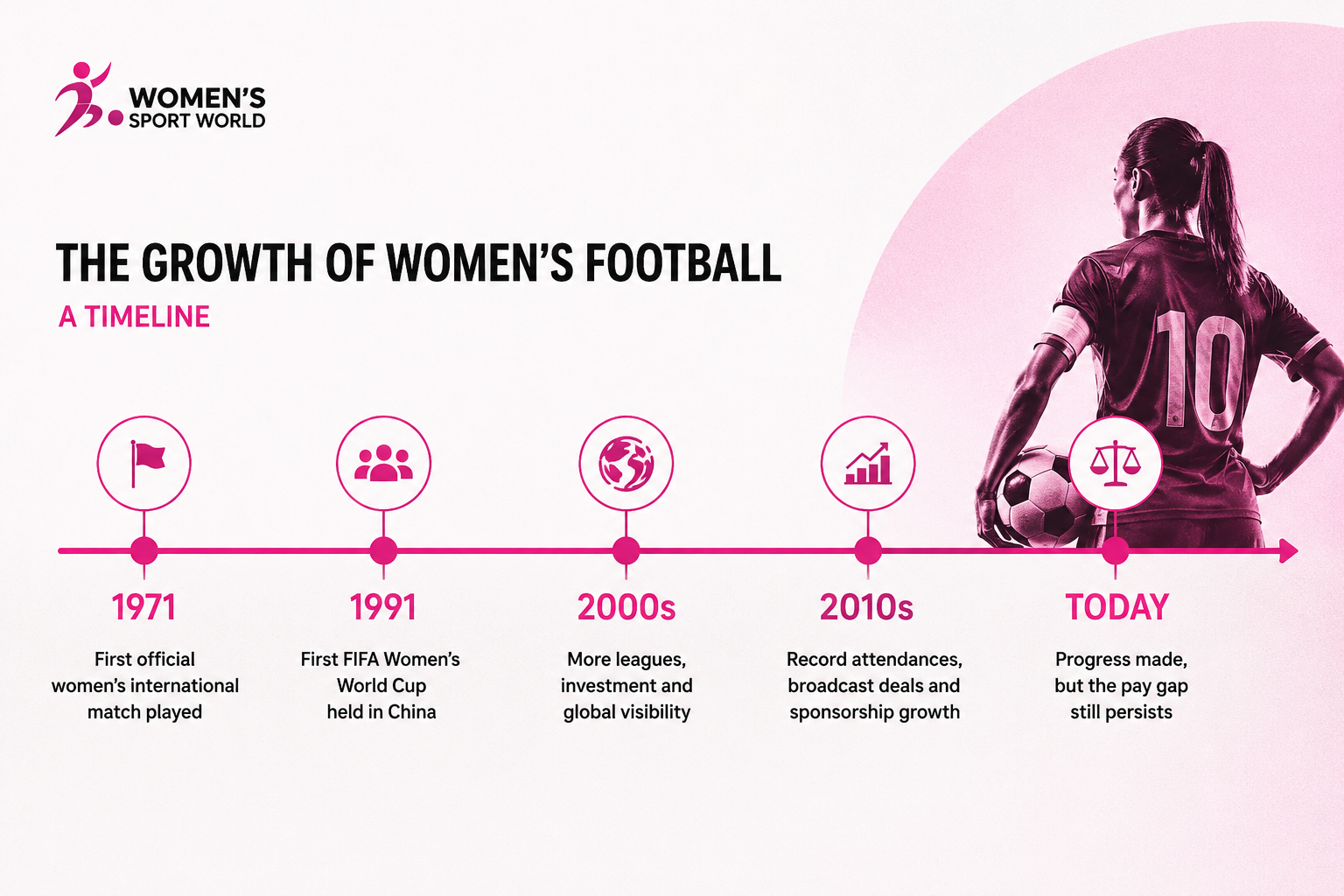
Women Footballers get paid less in most places because the women’s professional game entered the modern football market much later. That matters more than people think.
The men’s game had decades to build broadcast habits, stadium culture, sponsorship portfolios, transfer markets and global fan behaviour. In many countries, women’s leagues were still fighting for recognition, facilities and proper professional status.
That delayed start still affects salaries today. Money compounds. If one side gets fifty years of serious investment and the other gets fifteen, the gap will not close because of one viral final.
The Pay Gap Is Structural
The pay gap survives because football pay follows revenue, and revenue follows infrastructure. That means the key question is not just “are people watching?” but “who owns the rights, how are they sold, and how much reaches the players?”
FIFA’s benchmarking work shows that women’s football revenue is growing, but unevenly. The report tracks hundreds of clubs and dozens of leagues, which helps explain why the salary picture changes so sharply from one country to another.
This is why two things can be true at once. The women’s game can be booming, and many women footballers can still be underpaid.
That is not hypocrisy. It is what happens when a market grows upward without equal foundations underneath it.
Where Women Footballers Get Paid Equally
Women Footballers get paid equally most clearly at national-team level, not club level. That is because federations can control how they share match fees, bonuses and tournament money between their men’s and women’s teams.
The United States changed the conversation by pooling and sharing World Cup prize money between the men’s and women’s national teams. That model directly addresses one of the biggest global sources of inequality: FIFA tournament payouts.
Australia’s model also matters because it treats equal pay as part of a wider standard. The Matildas and Socceroos framework includes employment and high-performance support, not just match payments.
Still, these examples do not prove that football has solved equal pay. They prove that progress happens when players bargain, federations agree, and payment systems are redesigned.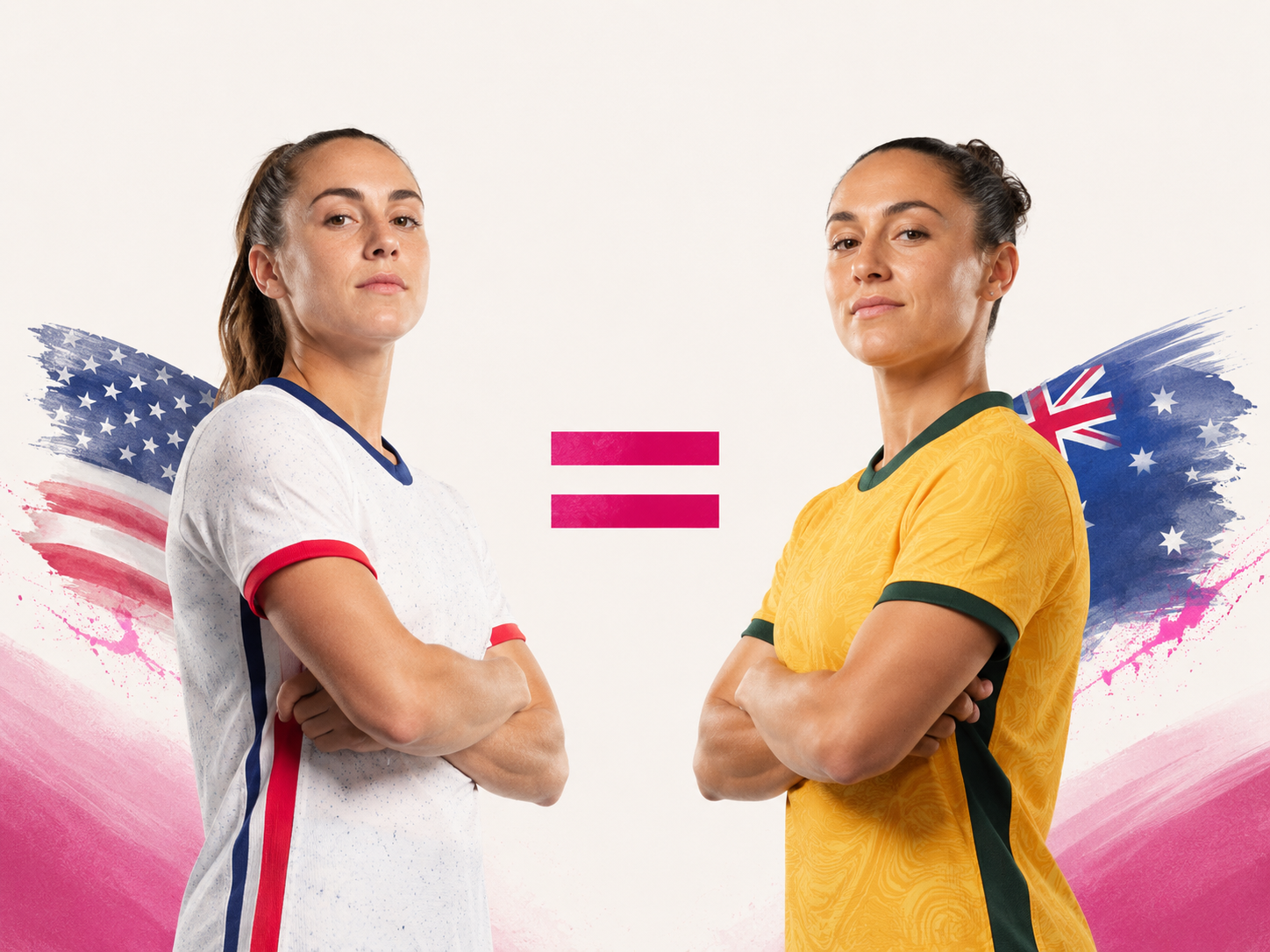
Why World Cup Prize Money Still Shows The Gap
World Cup prize money gives us the clearest public comparison. The numbers are loud, and they do not whisper.
For the 2023 Women’s World Cup, FIFA says financial contributions reached USD 152 million. That included USD 110 million for teams and players, plus preparation money and club benefits.
The men’s 2026 World Cup pot is much bigger. FIFA approved USD 655 million in prize money for the expanded 48-team tournament.
That gap matters because prize money affects federations, player bonuses and the public value attached to each event. Even when a national federation creates equal pay internally, the global tournament pot can still be unequal.
FIFA has increased women’s tournament funding, and that progress deserves acknowledgement. But progress is not parity. The gap remains large.
How Women Footballers Get Paid At Club Level
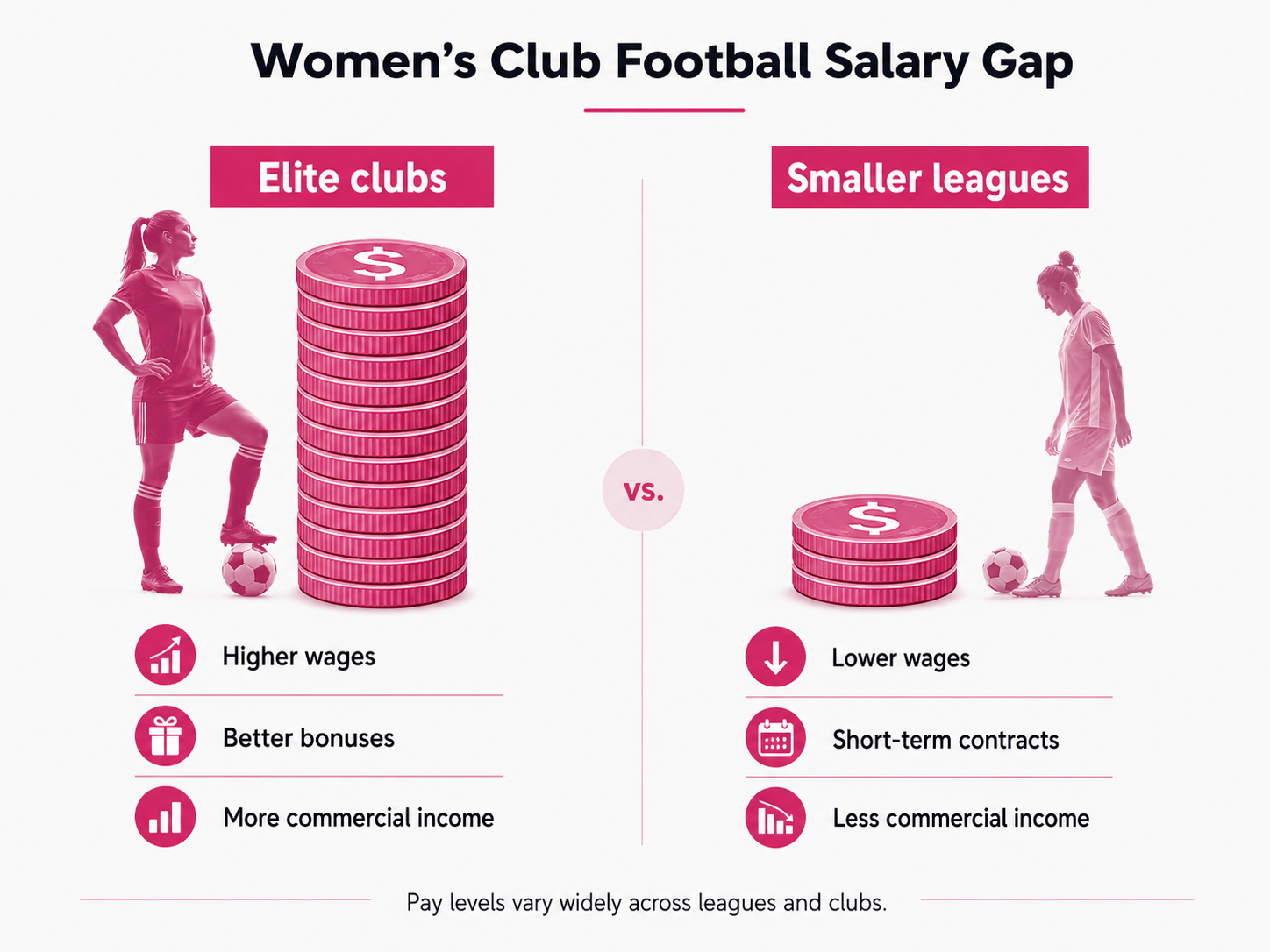
Women Footballers get paid at club level according to the league, club budget, contract type and player profile. Some players earn strong full-time salaries, while others still face short contracts, weak protections or part-time conditions.
This is where the pay debate becomes messy. Barcelona, Chelsea and Lyon can offer elite environments because they sit inside powerful football institutions. Smaller clubs may not have the same revenue, facilities or commercial reach.
That is why the best-funded clubs often dominate. If you want to see how club strength and resources shape the sport, read our guide to the top women’s football teams.
The same applies to individual stars. Players with global profiles can earn more through sponsorships and commercial value, while less visible players may rely mostly on basic club wages.
Broadcast And Sponsorship Still Decide A Lot
Broadcast money remains one of the biggest reasons the gap continues. Men’s football has long-standing media deals that bring in huge annual revenue.
Women’s football is building those deals now. When leagues sell women’s rights separately and seriously, the sport usually gets better value than when rights are bundled cheaply inside men’s packages.
Sponsorship works the same way. A brand that treats women’s football as a side project will not create the same revenue as one that builds campaigns, content and visibility around it.
This is where the lazy argument falls apart. People often say, “They should earn what they bring in,” but then ignore who controlled the platforms, coverage and sales strategy for decades.
You cannot under-market a product for years, then blame the product for not earning enough.
Where The Gap Is Actually Closing
The good news is that the gap is not frozen. Women’s football is attracting bigger crowds, stronger sponsors and more serious media attention.
This also changes the value of individual players. The most marketable stars now carry serious commercial power, and our ranking of the best women footballers in the world shows how much elite performance, awards and visibility now shape the modern game.
But growth headlines are not enough. More money entering the sport only matters if it reaches players through wages, prize money, benefits and long-term contracts.
That is the next battle. Not just “is the women’s game growing?” but “who gets paid when it grows?”
What Needs To Change Next
If football wants real pay parity, it needs better systems. The sport needs stronger media deals, clearer league salary floors and collective bargaining in more countries.
Clubs also need to treat women’s teams as core business assets, not community projects with nice photos. That means proper facilities, medical teams, coaching staff, academies and long-term budgets.
Federations need to keep pushing tournament prize money upward. They also need to make sure player payments are protected and transparent.
The future of how Women Footballers get paid will be decided by rights deals, collective bargaining agreements, sponsorship packages and prize-money rules.
Final Answer: Is The Pay Gap Closing?
So, do Women Footballers get paid the same as men? In most of football, no.
A few national teams have equal-pay systems, and those agreements matter. But across club football, global prize money, commercial income and average salaries, men still sit far ahead.
The reason is not that women’s football lacks quality. The reason is that the women’s game is still catching up with decades of underinvestment, weaker media deals and slower professionalisation.
Women footballers earn more fairly when the sport does three things well: sells the game properly, protects players properly and shares revenue properly. That is the real equal-pay roadmap.

